
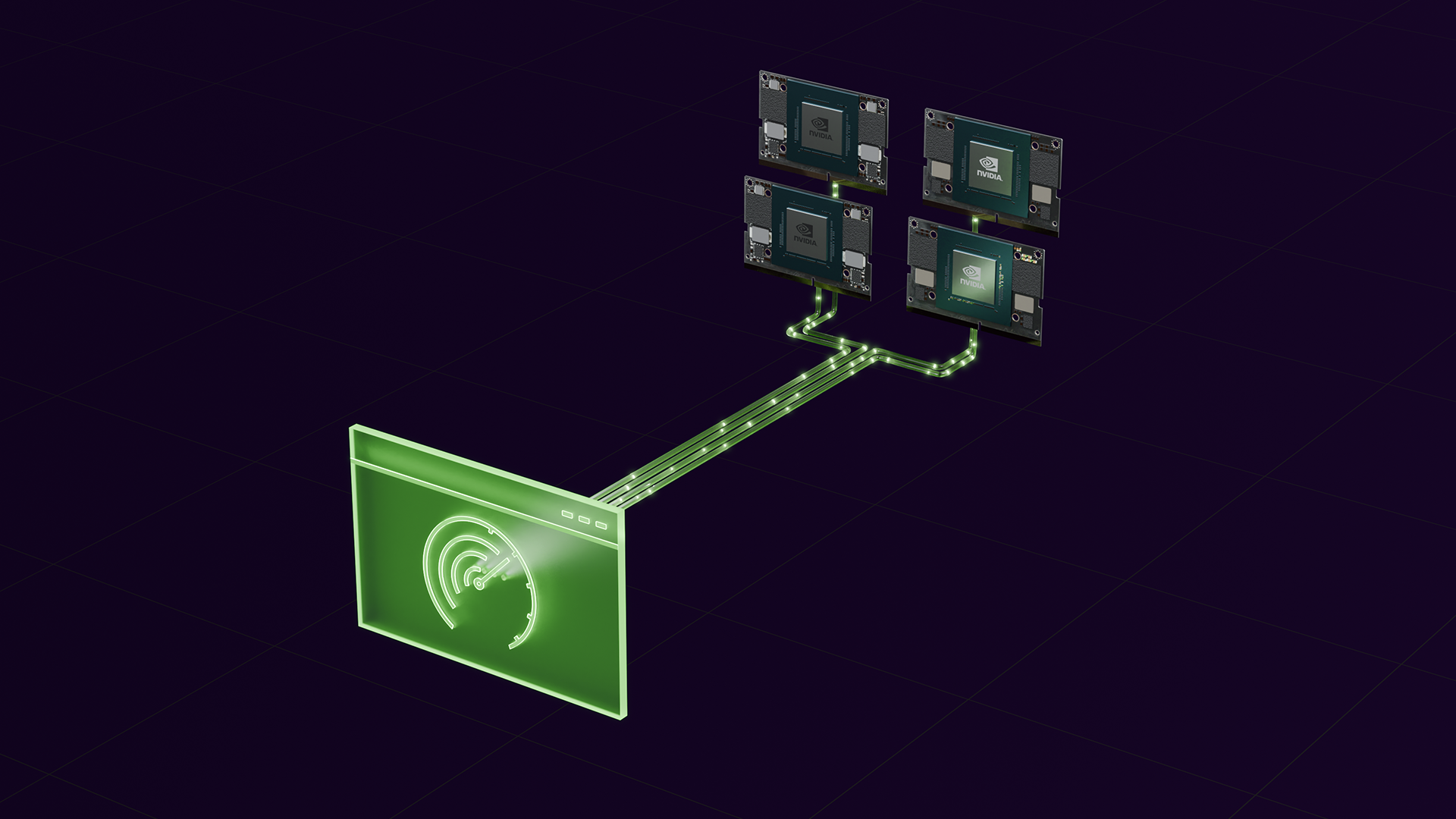
Mellanox switches and network adapters are positioned for organizations building high-performance network infrastructure for data centers, cloud computing, and AI workloads. The source highlights high-throughput networking, low latency, RDMA support, hardware offload, and Ethernet options from 25GbE through 200GbE. A practical selection should begin with workload behavior, server and switch compatibility, and a complete project-specific bill of materials rather than a speed rating alone.
What Problem These Products Address
Data-intensive environments can place substantial pressure on network paths and server CPUs. In AI platforms, cloud infrastructure, data centers, and high-performance computing environments, infrastructure teams may need to move data efficiently between servers, storage, and applications while maintaining predictable network behavior as the environment grows.
The supplied source presents Mellanox switches as equipment designed to provide high throughput, low latency, and scalability in these settings. It also identifies Mellanox network adapters as products with network acceleration and hardware-offload capabilities intended to reduce server load and improve application operating efficiency. Mellanox is historical NVIDIA networking branding in this context; the source does not establish present-day vendor authorization, product status, or support entitlement.
Capabilities Identified in the Source
- RDMA support: The source states that the switches support Remote Direct Memory Access, or RDMA, which is intended to improve data-transfer efficiency and reduce CPU utilization.
- Hardware offload: The network adapters are described as using hardware-offload technology to reduce server load and support application efficiency.
- High-speed Ethernet options: The source lists 25GbE, 50GbE, 100GbE, and 200GbE as supported Ethernet standards for the adapters.
- Data-center scalability: The switches are presented as suitable for scalable data-center and high-performance computing networking.
These statements describe the source family at a high level. They do not identify a specific switch model, adapter SKU, port count, cable type, transceiver, firmware version, operating system, or application stack. Those details must be confirmed in dated official documentation and the complete SKU/BOM for the proposed deployment.
Suitable Evaluation Scenarios
The source most directly relates these products to data centers, cloud computing, artificial intelligence, and high-performance computing. Within those scenarios, an organization can evaluate whether RDMA and offload capabilities align with its application architecture and whether the selected Ethernet speed fits its traffic profile and expansion plan.
For example, a server cluster may require an adapter speed that matches the switch design, optical or copper connectivity, and upstream network capacity. A higher nominal interface speed does not by itself establish end-to-end performance. Oversubscription, host configuration, software support, storage behavior, and application traffic patterns can all affect results.
Evaluation Path Before Procurement
- Document workload requirements, including traffic volume, latency sensitivity, server count, and expected growth.
- Identify the exact switch and adapter SKUs, interface types, Ethernet speeds, and required cables or optical modules.
- Review dated official product documentation for RDMA support, hardware-offload functions, interoperability requirements, and software compatibility.
- Validate the proposed design against server hardware, operating systems, applications, and existing network infrastructure.
- Run a project test that measures the workload relevant to the deployment before standardizing the configuration.
When obtaining products or technical services through a third party, buyers should also verify the supplier’s specific scope of support, product origin, service terms, and any claimed authorization using dated written evidence. The supplied source does not provide sufficient evidence to confirm those items.
FAQ
Does RDMA guarantee lower latency or lower CPU use for every application?
No. The source identifies RDMA as a supported technology intended to improve transfer efficiency and reduce CPU utilization, but it does not provide workload benchmarks or configuration conditions. Confirm application support and validate results in a representative project test.
Can 25GbE, 50GbE, 100GbE, and 200GbE adapters be selected solely by required bandwidth?
No. Bandwidth is one input, but the final choice also depends on switch interfaces, host slots, media, cabling, network architecture, software compatibility, and future expansion. Review the complete BOM and official compatibility information before purchase.
Conclusion
Mellanox switches and network adapters may be relevant where high-throughput networking, RDMA, hardware offload, and Ethernet speeds up to 200GbE are being assessed for data-center, cloud, AI, or HPC infrastructure. Select exact products only after confirming dated technical documentation, interoperability, and project-specific test results.
After reviewing Mellanox Switches and Network Adapters for High-Performance Networks, continue with NVIDIA products and networking solutions for related evaluation paths.

 WeChat
 Profile