
Specifications
Confirm model, interface type, rate, power, airflow and software version before ordering.
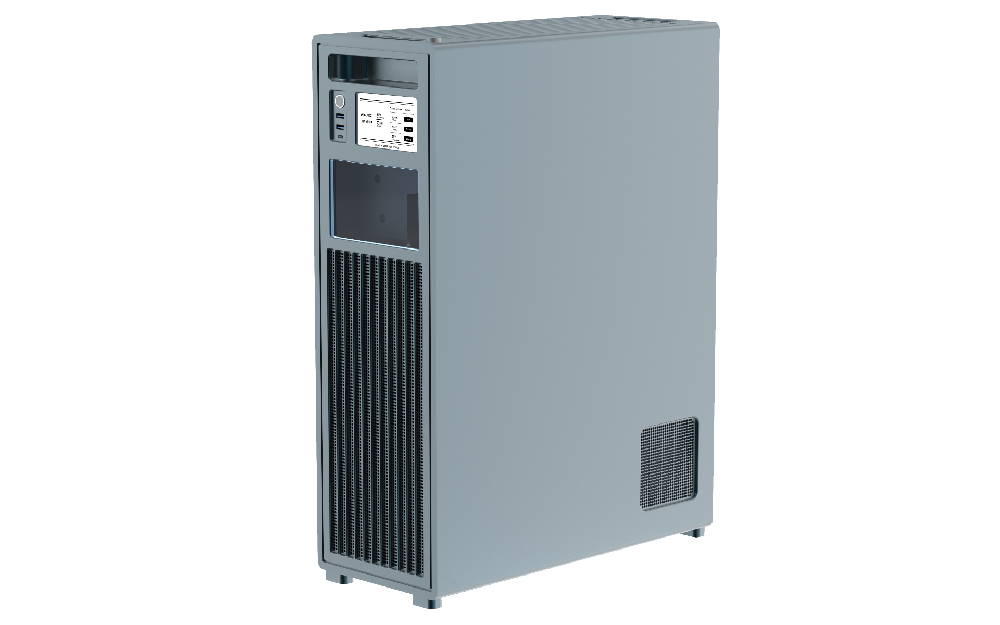
CPU: Intel W7-3455 24 48
: 512G DDR5 RECC 4800MHz
Integrated Appliance-RD-4140-G1455L20A context: : 1 2TB M.2 NVMe SSD, 1 3.84T U.2 NVMe SSD, 1 16TB SATA HDD
: 4 NVIDIA L20 48GB
GPUs: 1 NVIDIA RTX A400 4GB
: 2 10G, 1 1G
:: 2*USB3,1*Type-C;: 2*USB-A 2.0, 4*USB-A 3.2,1* USB 3.2 Type-C,
power supplies: 2600W
For Integrated Appliance-RD-4140-G1455L20A, treat the existing text as preliminary context. Confirm the exact subject or model, current source documents, relevant software or service dependencies, installation conditions and the evidence needed for acceptance.
Before using Integrated Appliance-RD-4140-G1455L20A in a deployment or procurement decision, record assumptions, exclusions, compatibility checks, representative tests, results and unresolved questions. This page does not establish price, stock, delivery, authorization, certification or warranty.
Confirm model, interface type, rate, power, airflow and software version before ordering.
Check the host server, switch fabric, firmware, slot, optics or cable and supported operating mode before ordering.
Share quantity, topology, deployment window, delivery region and replacement requirements for a practical recommendation.
Validate the representative host, peer device, driver, firmware and link media before a wider rollout.
Start with the required speed, interface, host platform and deployment role before comparing nearby models.
Confirm firmware, drivers, optics or cables, peer-device interoperability and the workload that matters to the project.
Provide the model, quantity, topology, target equipment, delivery region and required date so the next step is clear.
Integrated Appliance-RD-4140-G1455L20A can be evaluated for AI Integrated Systems projects, capacity expansion and replacement planning.
Confirm the host or switch model, slot, port mode, speed, firmware, operating system and the required cable or optic.
Use the intended peer device and workload to check link negotiation, driver or firmware behavior, throughput and stability.
Match the model to the required interface, rate, topology, software boundary, lifecycle and delivery schedule.
Compare the server or switch, port mode, speed, media, firmware and deployment environment; use a PoC when any boundary is uncertain.
Send the target model, quantity, existing equipment, link speed, distance, delivery date and replacement tolerance.

 WeChat
 Inquiry
WeChat
WeChat Inquiry
 Profile
Company Profile
Profile
Company Profile